Future of Employer Branding in Maritime
Future of Employer Branding in Maritime
Nov 4, 2025
Nov 4, 2025
Attracting talent through trust, clarity, and purpose
Attracting talent through trust, clarity, and purpose
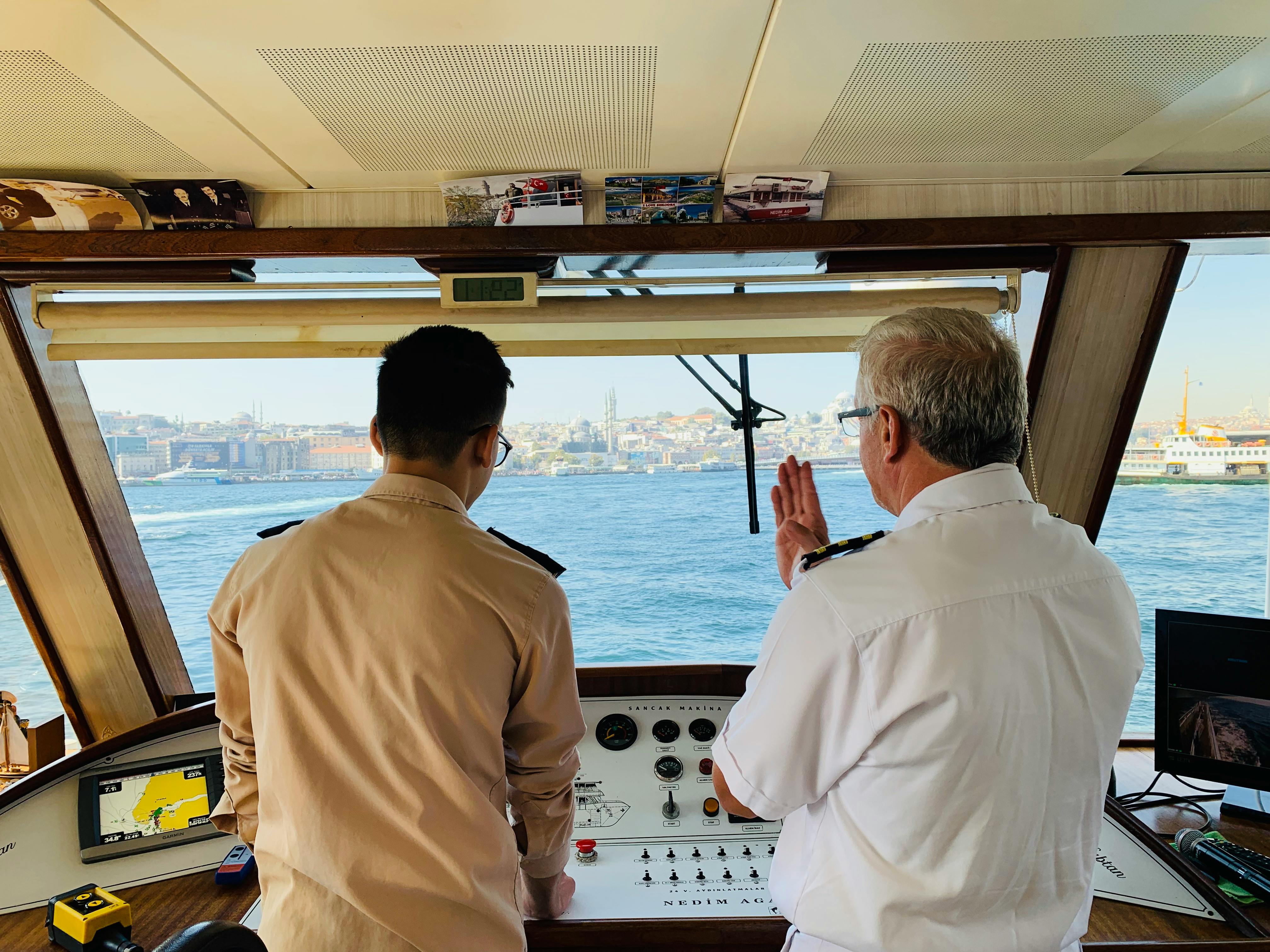
Employer branding in the maritime industry is undergoing a fundamental shift. For decades, shipping companies, suppliers, and service providers recruited talent primarily based on tradition, job security, and global opportunities. But today’s candidates, particularly the next generation, are no longer just looking for a job. They are seeking a sense of purpose, professional growth, and a workplace that reflects their values.
This shift challenges the industry to evolve the way it presents itself, not only to clients and regulators, but to its current and future workforce.
Why Employer Branding Now
The maritime sector is navigating one of its most complex decades, marked by regulatory pressure, digital disruption, decarbonisation, and evolving customer expectations. At the same time, it faces an acute talent shortage across onboarding crews, technical roles, and commercial teams. As older professionals retire and younger generations weigh their career options, maritime must compete with more visible, more dynamic sectors.
This is where employer branding becomes essential. A strong employer brand clarifies what a company stands for, why people should work there, and what kind of impact they can expect to make. In a low-visibility industry like shipping, where external perception rarely reflects internal excellence, employer branding helps bridge the gap.
What Defines a Strong Maritime Employer Brand
It’s no longer enough to say “we’re a global company” or “we offer a stable career.” A modern employer brand must express culture, leadership, and purpose with precision. In practice, this means being transparent about working conditions, growth opportunities, team values, and social or environmental commitments.
Candidates today want to know: What is your stance on sustainability? How do you support diversity in leadership? What do career paths look like for engineers or commercial graduates? And just as importantly, how does your communication reflect these answers?
Strong employer brands are not built on generic slogans but on clarity, consistency, and credibility. The more authentic and aligned the message is across recruitment materials, websites, leadership interviews, and social channels, the more attractive and trusted the brand becomes.
The Risks of Staying Silent
Maritime has historically been discreet. Many companies operate under the radar, assuming that performance speaks for itself. But in employer branding, silence is no longer neutral. It’s a missed opportunity.
When companies don’t define their narrative, others will do it for them. This can lead to outdated perceptions, missed candidates, and poor retention. Worse, it limits the company’s ability to compete for top talent in a global market where visibility and reputation influence career choices.
By proactively shaping their employer brand, companies gain control over their talent narrative. They shift from reacting to talent shortages to building a pipeline of people who are aligned with their values and ambitions.
Internal Alignment Comes First
A strong external brand cannot exist without internal alignment. Employer branding starts from within with leadership behaviours, team culture, and real policies. No campaign can replace a healthy, inclusive, and empowering workplace.
Before communicating, companies should ask: Are our teams aligned with our values? Do we offer real pathways for development? Are our policies supporting our people, onboard and ashore, in meaningful ways?
When the answer is yes, then employer branding becomes an act of amplification, not fiction. It simply shows the world what already works.
Communication as Strategy
In employer branding, communication is not a marketing add-on — it’s a strategic lever. The most respected brands in shipping are those that communicate their employee experience with the same care and clarity as their customer offering.
This includes storytelling from real team members, transparent job ads, leadership visibility on platforms like LinkedIn, and thoughtful design of every candidate touchpoint from application forms to onboarding guides.
The goal is not perfection. It’s clarity. Candidates don’t expect every company to be a startup or a tech unicorn. But they do expect honesty, accessibility, and purpose-driven leadership.
Where Maritime Can Lead
The maritime sector may not have the visibility of tech or finance, but it has something equally powerful: impact. Global shipping moves 80% of world trade. It connects economies, enables innovation, and offers unique, international careers.
These are strengths that should be communicated boldly. When maritime companies articulate their real-world impact, their commitment to safety and sustainability, and the career opportunities they offer, they don’t just attract talent — they inspire it.
Employer branding is not about copying what other industries do. It’s about understanding what makes maritime valuable and making that value visible.
Future-Ready Employer Brands
As the industry evolves, the companies that thrive will be those that can recruit and retain the right people — not just for today’s roles, but for tomorrow’s challenges. This requires a shift in mindset: from employer branding as recruitment support to employer branding as strategic positioning.
A strong employer brand boosts retention, supports recruitment, enhances reputation, and aligns internal culture with external perception. It turns talent into advocates and builds long-term trust in the brand.
For maritime companies, now is the time to lead with clarity. The future of employer branding isn’t about trends. It’s about truth, alignment, and the courage to communicate.
Employer branding in the maritime industry is undergoing a fundamental shift. For decades, shipping companies, suppliers, and service providers recruited talent primarily based on tradition, job security, and global opportunities. But today’s candidates, particularly the next generation, are no longer just looking for a job. They are seeking a sense of purpose, professional growth, and a workplace that reflects their values.
This shift challenges the industry to evolve the way it presents itself, not only to clients and regulators, but to its current and future workforce.
Why Employer Branding Now
The maritime sector is navigating one of its most complex decades, marked by regulatory pressure, digital disruption, decarbonisation, and evolving customer expectations. At the same time, it faces an acute talent shortage across onboarding crews, technical roles, and commercial teams. As older professionals retire and younger generations weigh their career options, maritime must compete with more visible, more dynamic sectors.
This is where employer branding becomes essential. A strong employer brand clarifies what a company stands for, why people should work there, and what kind of impact they can expect to make. In a low-visibility industry like shipping, where external perception rarely reflects internal excellence, employer branding helps bridge the gap.
What Defines a Strong Maritime Employer Brand
It’s no longer enough to say “we’re a global company” or “we offer a stable career.” A modern employer brand must express culture, leadership, and purpose with precision. In practice, this means being transparent about working conditions, growth opportunities, team values, and social or environmental commitments.
Candidates today want to know: What is your stance on sustainability? How do you support diversity in leadership? What do career paths look like for engineers or commercial graduates? And just as importantly, how does your communication reflect these answers?
Strong employer brands are not built on generic slogans but on clarity, consistency, and credibility. The more authentic and aligned the message is across recruitment materials, websites, leadership interviews, and social channels, the more attractive and trusted the brand becomes.
The Risks of Staying Silent
Maritime has historically been discreet. Many companies operate under the radar, assuming that performance speaks for itself. But in employer branding, silence is no longer neutral. It’s a missed opportunity.
When companies don’t define their narrative, others will do it for them. This can lead to outdated perceptions, missed candidates, and poor retention. Worse, it limits the company’s ability to compete for top talent in a global market where visibility and reputation influence career choices.
By proactively shaping their employer brand, companies gain control over their talent narrative. They shift from reacting to talent shortages to building a pipeline of people who are aligned with their values and ambitions.
Internal Alignment Comes First
A strong external brand cannot exist without internal alignment. Employer branding starts from within with leadership behaviours, team culture, and real policies. No campaign can replace a healthy, inclusive, and empowering workplace.
Before communicating, companies should ask: Are our teams aligned with our values? Do we offer real pathways for development? Are our policies supporting our people, onboard and ashore, in meaningful ways?
When the answer is yes, then employer branding becomes an act of amplification, not fiction. It simply shows the world what already works.
Communication as Strategy
In employer branding, communication is not a marketing add-on — it’s a strategic lever. The most respected brands in shipping are those that communicate their employee experience with the same care and clarity as their customer offering.
This includes storytelling from real team members, transparent job ads, leadership visibility on platforms like LinkedIn, and thoughtful design of every candidate touchpoint from application forms to onboarding guides.
The goal is not perfection. It’s clarity. Candidates don’t expect every company to be a startup or a tech unicorn. But they do expect honesty, accessibility, and purpose-driven leadership.
Where Maritime Can Lead
The maritime sector may not have the visibility of tech or finance, but it has something equally powerful: impact. Global shipping moves 80% of world trade. It connects economies, enables innovation, and offers unique, international careers.
These are strengths that should be communicated boldly. When maritime companies articulate their real-world impact, their commitment to safety and sustainability, and the career opportunities they offer, they don’t just attract talent — they inspire it.
Employer branding is not about copying what other industries do. It’s about understanding what makes maritime valuable and making that value visible.
Future-Ready Employer Brands
As the industry evolves, the companies that thrive will be those that can recruit and retain the right people — not just for today’s roles, but for tomorrow’s challenges. This requires a shift in mindset: from employer branding as recruitment support to employer branding as strategic positioning.
A strong employer brand boosts retention, supports recruitment, enhances reputation, and aligns internal culture with external perception. It turns talent into advocates and builds long-term trust in the brand.
For maritime companies, now is the time to lead with clarity. The future of employer branding isn’t about trends. It’s about truth, alignment, and the courage to communicate.